
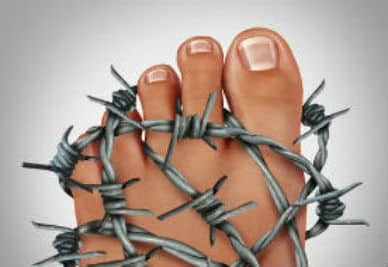
Symptoms of Peripheral Neuropathy
Peripheral Neuropathy and Symptoms
Peripheral Neuropathy and symptoms affects millions worldwide and yet remains under-recognized. For those living with it, the condition can significantly disrupt daily life—especially when it impacts the feet.
As podiatrists, we routinely treat patients experiencing the symptoms of peripheral neuropathy: pain, numbness, balance issues, and more. If you’ve been wondering about the warning signs and what you can do, this guide is for you.
We’ll cover:
- What Peripheral Neuropathy is
- The most common symptoms and stages
- Its leading causes
- The risks it presents to your health
- Preventive steps you can take
- Why podiatric care is essential
- And the best treatment options available
What Is Peripheral Neuropathy?
Peripheral Neuropathy is a condition where the peripheral nerves—especially those in the feet and hands—are damaged. These nerves carry messages between your brain, spinal cord, and the rest of your body.
When these nerves malfunction, it can interfere with:
- Sensory feedback (touch, temperature, pain)
- Muscle control
- Balance and coordination
This is why Peripheral Neuropathy and symptoms in the feet can be both subtle and dangerous.
Stages of Peripheral Neuropathy and Symptoms
🟡 Early Signs: Tingling & Numbness
Mild symptoms like pins and needles or slight numbness are often overlooked in the beginning. These sensations may come and go but are the first clue something is wrong.
🔴 Progression: Burning & Sharp Pain
As neuropathy worsens, many experience stabbing or burning pain in the feet, which can affect walking, sleep, and quality of life.
⚫ Advanced Stages: Loss of Sensation & Muscle Weakness
Eventually, sensation may be lost entirely. You may not notice cuts, pressure, or injuries. At this stage, balance becomes compromised, and foot muscles can weaken, increasing the risk of falls.
What Causes Peripheral Neuropathyand Symptoms?
🔹 Diabetes
The most common cause of peripheral neuropathy is diabetes. Chronically high blood sugar damages the blood vessels and nerves in the feet over time.
To learn more about Diabetic Foot Care Click Here.

Prevention Tip: Regular exercise and stable blood sugar levels are critical for reducing risk.
[Learn more about diabetic foot care here.]
🔹 Nutrient Deficiencies
Low levels of vitamin B12 or folate can damage nerve tissue. This is sometimes linked to poor diet or chronic alcohol use.
🔹 Physical Trauma
Injuries to the feet, repetitive strain, or compression of spinal nerves can all lead to neuropathic symptoms.
🔹 Autoimmune Conditions
Diseases like lupus, rheumatoid arthritis, and Crohn’s can attack peripheral nerves, causing pain and dysfunction.
🔹 Chronic Alcohol Use
Over time, alcohol can damage nerve pathways. [More on alcohol-induced neuropathy here.]
Risks and Dangers of Peripheral Neuropathy
⚠️ Hidden Injuries and Infections
Without feeling in your feet, you may not notice a blister, cut, or sore. Left untreated, these can turn into serious infections or ulcers.
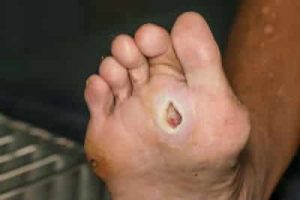
⚠️ Ulceration and Amputation
When an injury doesn’t heal, it can progress to bone infection or gangrene. This may require amputation to protect the rest of the limb—or your life.
⚠️ Balance Issues and Falls
Loss of feedback from your feet affects your ability to detect uneven surfaces or make small corrective movements. Falls are a major risk, especially for older adults.
[Read more about fall prevention here.]
⚠️ Chronic Pain and Emotional Strain
Persistent pain and physical limitations can erode your mental health and quality of life.
Daily Precautions for Peripheral Neuropathy and Symptoms
👣 Daily Foot Checks
Look for redness, cuts, swelling, fluid, or anything unusual. Use a mirror if you can’t see the soles of your feet easily.
👟 Choose the Right Footwear
Opt for:
- Firm heel support
- Soft uppers (e.g. leather or mesh)
- Non-slip soles
- Laces or velcro to keep shoes securely in place
[A guide to the best shoes for neuropathy is here.]
🌡 Avoid Extreme Temperatures
Loss of sensation increases the risk of burns or frostbite. Keep shower water at safe levels and avoid hot surfaces barefoot—even in summer.
Why Podiatrists Are Essential in Managing Peripheral Neuropathy
Podiatrists are experts in diagnosing, monitoring, and managing Peripheral Neuropathy and symptoms in the feet.
🎯 Diagnostic Tools
We use:
- Doppler ultrasound to assess blood flow
- PPG (Photoplethysmography) to check the smallest vessels
- Monofilament and tuning fork tests to assess sensation
We also measure toe pressures, which help predict healing potential in the event of injury.
🔧 Personalized Treatment Plans
No two patients are alike. Whether you want to stay active, travel, or just avoid complications, your podiatrist can build a treatment plan tailored to your goals and risk profile.
🩹 Pressure Offloading and Callus Removal
Calluses and corns may seem harmless, but under pressure they can trigger skin breakdown and ulcers. Podiatrists carefully debride these areas and offload pressure using padding or custom orthotics.
Treatment Options for Peripheral Neuropathy Symptoms
🏃♀️ Physical Therapy
Simple exercises like ankle rotations, calf raises, or even Tai Chi can boost blood flow and improve mobility.
✂️ Regular Callus and Nail Care
Routine podiatric care helps prevent pressure buildup and ingrown toenails—two big causes of ulcers.
🥗 Nutritional Support
Maintaining a diet rich in B-vitamins, antioxidants, and healthy fats supports nerve health. A GP or dietitian can help tailor your intake.
💊 Medications
Prescription medications may help manage nerve pain or inflammation. Discuss options with your GP or specialist.
🧘 Mind-Body Approaches
Acupuncture, yoga, and other gentle therapies can help manage chronic pain, reduce stress, and improve balance.
Conclusion: Take Peripheral Neuropathy Seriously—Before It Takes Over
If you or someone you care about is showing signs of Peripheral Neuropathy and symptoms, now is the time to act.
By learning the signs, managing risk factors, and working with a podiatrist for ongoing care, you can prevent serious complications—like ulcers, infections, and amputations—and enjoy a better quality of life.
Disclaimer: This article provides general information only. Always consult with a podiatrist or healthcare provider for professional medical advice tailored to your needs.
Would you like the meta description now as well?