
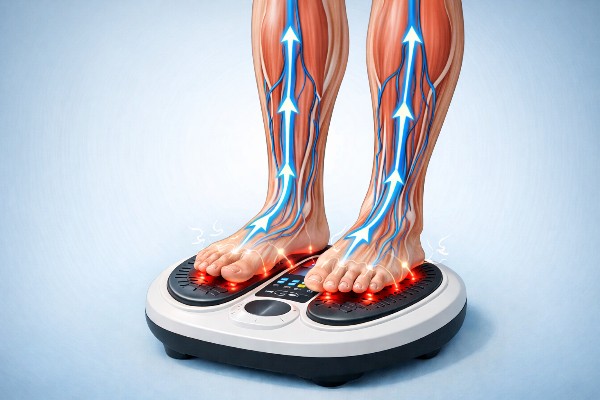
Are EMS foot massagers safe?
Yes—EMS foot massagers are generally safe for most healthy adults when used as directed.
They work using low-level electrical impulses similar to Transcutaneous Electrical Nerve Stimulation (TENS), which has been used in medical settings for decades.
However, they should NOT be used by people who:
- People with Diabetes and significant peripheral neuropathy.
Have a pacemaker or implanted defibrillator
Are pregnant
Have epilepsy
Have open wounds or active skin infections on the feet
Have severe peripheral vascular disease
✅ If you have diabetes, neuropathy, or circulation problems, you should always check with your podiatrist or GP before use.
Check out our Top 5 rated EMS Foot Massagers/Circulation Boosters here.
Are EMS foot massagers any good?
Yes—EMS foot massagers can be helpful, especially for:
Temporary muscle relaxation
Reducing foot and lower leg fatigue
Improving short-term circulation
Relieving minor aches and stiffness
That said, they are support tools, not medical treatments. They don’t correct:
Structural foot problems
Nerve damage
Tendon injuries
Arthritic joint changes
✅ Best used as part of a wider foot-care routine, not as a stand-alone solution.
Are EMS foot massagers good for neuropathy?
This is where caution is important.
✅ They may provide short-term symptom relief (tingling, discomfort, mild pain) for some people with neuropathy
❌ They do NOT repair nerve damage or reverse neuropathy
Potential concerns:
Reduced sensation means burns or over-stimulation could go unnoticed
Some neuropathy types may worsen with electrical stimulation
✅ If you have diabetic neuropathy or chemotherapy-related neuropathy, you should only use EMS under professional guidance.
Are EMS foot massagers good for you?
They can be beneficial when used correctly and for the right reasons:
Help relax tight intrinsic foot muscles
Improve short-term circulation
Assist recovery after long periods of standing
Reduce perceived foot stiffness
They are not a replacement for:
Proper footwear
Movement and strengthening
Manual therapy
Medical treatment when required
✅ Think of EMS as “recovery support”, not “injury treatment.”
Are EMS foot massagers effective?
Yes—but only for specific outcomes:
✅ Effective for:
Short-term pain modulation
Muscle relaxation
Temporary circulation boost
Post-exercise recovery
❌ Not effective for:
Treating plantar fasciitis
Fixing flat feet
Healing nerve damage
Correcting joint deformities
Treating arthritis at a structural level
✅ Best results occur when combined with:
Strength exercises
Good footwear
Load management
Clinical treatment when required
⚠️ Medical Disclaimer
This information is general in nature and does not replace professional medical advice. Always consult your podiatrist, GP, or health professional before using EMS devices, especially if you have diabetes, nerve damage, vascular disease, or implanted medical devices.