
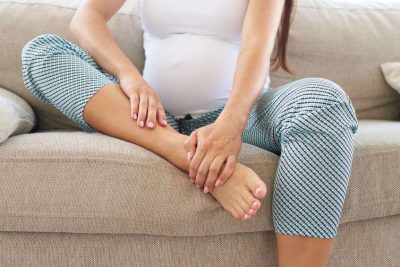
Pregnancy Swelling in Hands and Feet: What to Expect and How to Feel Better
Swelling in the hands and feet—known as edema—is one of the most common and frustrating symptoms many women experience during pregnancy. It’s usually a normal part of the journey, but that doesn’t mean it’s pleasant!
In this guide, we’ll break down the causes, help you understand what’s normal vs. when to seek help, and share safe and effective ways to reduce swelling—including affiliate-recommended products designed to support healthy feet and hands.
What Causes Swelling in Pregnancy?
Pregnancy swelling is usually the result of a mix of biological changes:
- Increased Blood and Fluid Volume: Your body creates extra fluid to support your growing baby, which can accumulate in extremities like your feet and hands.
- Uterine Pressure: As your uterus expands, it can compress veins in the lower body, making it harder for blood to return from the legs.
- Hormonal Effects: Pregnancy hormones, especially progesterone, cause blood vessels to relax, allowing fluid to leak into surrounding tissues.
When Is Swelling Normal—and When Is It Not?
Mild swelling (especially late in the day or during hot weather) is usually harmless. But be alert for symptoms that could suggest a more serious issue, like pre-eclampsia or deep vein thrombosis (DVT).
Contact your healthcare provider if you experience:
- Sudden, severe swelling in hands, feet, or face
- Blurred vision, headaches, or abdominal pain
- Uneven swelling in one leg (could indicate a clot)
- Swelling that persists even after rest
7 Natural Ways to Reduce Pregnancy Swelling
If you’re looking for home-based relief, here are some evidence-informed tips that really work:
1. Elevate Your Feet
Try to rest with your feet up, ideally above heart level, to reduce fluid pooling.
You can do this with a recliner, or with a couple of pillows under your legs whilst lying on your back in bed.
2. Wear Compression Socks
Gentle compression can help move fluid back into circulation and reduce swelling in the lower legs.
You can buy some compression socks over the counter at pharmacies, or get them custom fitted by experts.
3. Stay Hydrated
Drinking more water actually helps flush excess sodium and reduces water retention. Aim for 8–10 glasses per day.
4. Foot Soaks
A cool (not cold) foot soak can provide immediate relief for sore, puffy feet.
Foot soaks use salts dissolved in water to help the fluid to transfer out of your feet and ankles through the skin by creating a hypertonic solution.
5. Footwear Matters
Supportive shoes with a roomy toe box and soft arch support are essential.
Avoid tight straps or high heels.
6. Gentle Movement
Walking, stretching, and light foot exercises encourage circulation and help move fluid out of the legs.
7. Avoid Excess Salt
Salty foods can lead to increased fluid retention. Opt for whole foods and fresh ingredients when possible.
What About Swelling in the Hands?
While foot and ankle swelling is more common, pregnancy can also cause puffiness in the fingers and wrists. This can sometimes lead to pregnancy-related carpal tunnel syndrome, causing tingling, numbness, or discomfort.
Final Thoughts
Swelling during pregnancy is a normal part of the experience for many women—but that doesn’t mean you have to suffer through it.
By making a few simple changes and using trusted support products, you can reduce discomfort, improve circulation, and enjoy your pregnancy with more ease.