
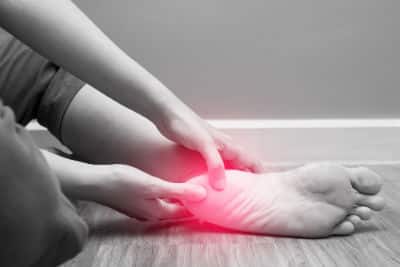
Pain inside of the heel is one of the most common reasons people visit a podiatrist—and with good reason. That sharp, aching, or burning sensation in your heel can stop you in your tracks, making everyday activities like walking or exercising feel impossible.
Whether you’re dealing with pain under your heel (plantar pain) or at the back near your Achilles tendon (posterior pain), getting the right diagnosis is the first step to recovery.
In this ultimate 2025 guide, we’ll explore:
- The top causes of inner heel pain
- How to recognize plantar fasciitis vs Achilles tendinopathy
- Other lesser-known heel conditions
- How a podiatrist can help
- What you can do to prevent future flare-ups
What’s Causing Pain Inside of Your Heel?
The most common causes of pain inside of the heel are:
- Plantar Fasciitis – typically under the heel
- Achilles Tendinopathy – often behind or slightly above the heel
However, there are several other conditions that can also trigger inner heel pain, and misdiagnosis is common. That’s why professional assessment is essential.
1. Plantar Fasciitis: A Leading Cause of Heel Pain
What is It?
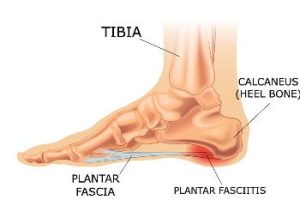
Plantar fasciitis is inflammation or tearing of the plantar fascia—a thick band of connective tissue running along the bottom of the foot from the heel to the toes. It typically hurts on the underside of the heel, especially during those first steps in the morning or after periods of rest.
Symptoms
- Sharp or stabbing pain under the heel
- Worse in the morning or after sitting
- May become constant over time
Contributing Factors
- Flat or high-arched feet
- Poor footwear (ballet flats, unsupportive shoes)
- Sudden increases in activity
- Being overweight
- Uneven leg lengths or hip misalignment
Diagnosis
Podiatrists assess:
- Your pain history
- Joint range of motion
- Gait and pressure distribution
- Foot and leg muscle strength
Treatment Options
- Strapping/taping (e.g. Low-Dye taping)
- Orthotic insoles (custom or semi-custom)
- Targeted stretching and strengthening
- Footwear advice
- Dry needling or massage
- Soft padding for symptom relief
2. Achilles Tendinopathy: Pain Behind the Heel
What is the Achilles Tendon?

This thick tendon connects your calf muscles to your heel bone and powers walking, running, jumping, and cycling.
Types of Achilles Tendinopathy
- Mid-portion tendinopathy – pain along the tendon
- Insertional tendinopathy – pain where the tendon inserts into the heel bone
- Retrocalcaneal bursitis – inflammation of the small fluid sac near the tendon insertion
- Heel spurs (enthesopathy) – bony growths where the Achilles connects to the heel
Symptoms
- Tenderness at the back or inner side of the heel
- Pain during walking or sports
- Swelling or stiffness
Treatment
- Exercise-based rehab and loading programs
- Heel lifts or shoe inserts
- Orthotics
- Footwear modifications
- Soft tissue therapies
Tendons don’t like rest! A guided return to activity helps the tendon strengthen and heal.
Other Conditions That Cause Pain Inside of the Heel
🔹 Tarsal Tunnel Syndrome
Compression of the tibial nerve as it passes along the inside of the ankle can radiate pain into the heel and arch.
🔹 Baxter’s Nerve Entrapment
Often mistaken for plantar fasciitis, this condition affects a nerve branch running along the inner heel. Some studies estimate it causes up to 20% of all heel pain cases.
🔹 Stress Fracture of the Calcaneus
Repetitive impact or low bone density can lead to tiny cracks in the heel bone. Symptoms often mimic plantar fasciitis but worsen with pressure and may persist at night.
🔹 Other Possible Causes
- Haglund’s deformity
- Osteomyelitis (bone infection)
- Rheumatoid arthritis
- Neuropathy from diabetes or chemo
- Bone tumors or rare inflammatory diseases
Heel Pain Can Disrupt Your Life
You may be eager to return to walking, the gym, or your sport—but heel pain holds you back. For many, it creates a frustrating cycle: you need exercise to stay healthy or lose weight, but moving causes pain.
At The Healthy Foot Center, we help you break that cycle by diagnosing the source of your heel pain and creating a personalized plan to get you moving again—safely and comfortably.
How to Prevent Heel Pain from Coming Back
Daily habits matter. Here are some practical tips to reduce the risk of pain inside of the heel:
✅ Exercise Regularly
Movement boosts blood flow to heel tissues, keeping them supple and strong. Try walking, cycling, or light resistance exercises.
✅ Wear Proper Footwear
Supportive running shoes with appropriate cushioning can reduce strain on both the plantar fascia and Achilles tendon. Orthotics may help redistribute forces more evenly.
✅ Stretch and Warm Up
Calf stretches before and after activity reduce muscle tightness and tendon tension.
✅ Manage Weight and Hydration
Excess weight increases strain on your feet. Staying well-hydrated supports healthy tissue function and healing.
When to See a Podiatrist
Don’t wait until heel pain becomes unbearable or chronic. The earlier you seek help, the faster and more effectively we can treat the underlying issue.
Our podiatrists provide:
- Diagnostic imaging and gait analysis
- Custom orthotics and pressure offloading
- Footwear recommendations based on your anatomy and goals
- Treatment plans tailored to your lifestyle (e.g. trail walking, netball, or marathon training)
Final Thoughts
Pain inside of the heel is common, but that doesn’t mean you should put up with it. Whether it’s plantar fasciitis, Achilles tendinopathy, or a less common condition like nerve entrapment or stress fracture—there is help available.
With the right guidance, treatment, and preventative care, you can return to the activities you love, pain-free.
Disclaimer: The information in this article is general and not a substitute for personal medical advice. If you have heel pain or a foot condition, consult a podiatrist or your healthcare provider.
Very nice post. I just stumbled upon your blog and wished to
mention that I have really enjoyed surfing around yojr blog posts.
After all I will be subscribing on your feed and I hope
you write once more soon!
Thank you so much for your kind words!
I don’t know if it’s just me or if perhaps everyone else experiencing
problems with your site. It appears like some of the text in your
content are running off the screen. Can someone else please comment and let me know if this
is happening to them too? This may be a problem with my internet browser because I’ve had this happen before.
Thanks
Thank you for your comment. Do you mean that the text of the blog posts are running off the sides? Also if you could let me know which type of device you are using it would help me to track down the problem.
Thank you so much.