
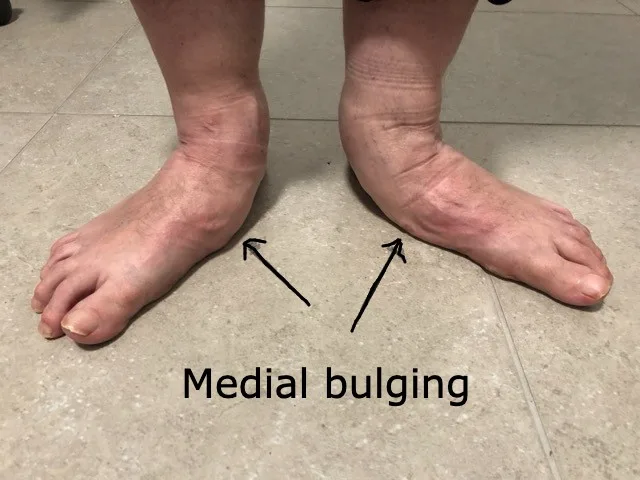
Wondering, “how do I know if I have flat feet?” You’re definitely not alone.
Many people worry that their feet are “too flat” and that it might lead to pain, injury, or long-term joint problems. And while flat feet can cause issues, it’s not always the case—and the good news is, most cases are manageable.
In this article, you’ll learn:
-
What flat feet actually are
-
How to tell if your feet are flat
-
Whether flat feet will cause pain or limit your activity
-
Simple strategies to reduce discomfort
-
When to see a podiatrist
What Are Flat Feet?
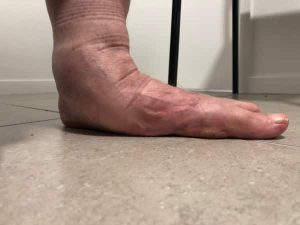
Flat feet, also known as pes planus, describe feet where the arch is very low or absent, especially when standing. The entire sole may contact the ground, especially in severe cases.
But not all low arches are truly flat feet.
Some people pronate (roll inwards at the ankle), giving the appearance of flat feet—even when a small arch is still present. These are flexible flat feet, and they’re much more common than true, rigid flat feet.
How Do I Know If I Have Flat Feet?
Here are a few easy ways to tell:
🔹 The Wet Foot Test:
Step onto a dry surface after getting your foot wet. If the imprint shows your whole foot without a curved inner edge, you may have flat feet.
🔹 Visual Check:
Stand in front of a mirror and look at the inside of your feet. If your arch flattens completely when standing, it may be a sign of flat feet.
🔹 Shoe Wear Pattern:
Check the soles of your shoes. More wear along the inner edge could indicate overpronation—a common feature of flat feet.
Are Flat Feet a Problem?
Sometimes. If your arches collapse completely and your foot isn’t supported, it may lead to:
-
Heel pain (plantar fasciitis)
-
Ankle instability
-
Shin splints
-
Knee, hip, or lower back pain
But many people with flat or pronated feet live completely pain-free—especially with the right footwear, support, and exercises.
What About Pronation?
Pronation is a natural movement your foot makes to absorb shock and adapt to the ground during walking or running. Everyone pronates to some degree—it’s part of healthy movement.
However, overpronation (too much inward roll) can cause strain on your ankles, knees, and even hips if left unaddressed.
Fun fact: even elite athletes like Usain Bolt have pronated feet. What matters is how your body adapts and whether it’s leading to pain or injury.

Will Flat Feet Limit My Lifestyle?
Not necessarily.
Many people with flat or overpronated feet live active, healthy lives. If you do experience pain, there are excellent options to help—including custom orthotics, strength training, footwear changes, and more.
At our clinic, we help patients with flat feet:
-
Stay active
-
Avoid long-term injury
-
Improve comfort and mobility
It’s about understanding your foot type and creating the right plan for you.
How to Prevent Pain from Flat Feet
Whether your feet are flat, pronated, or just low-arched, these daily habits can help reduce strain:
✅ 1. Stretch Your Calves
Tight calves contribute to foot and arch stress. Stretch daily using a wall lunge or standing calf stretch—hold for 30 seconds and repeat a few times per side.
✅ 2. Use a Foot Roller
Roll your feet over a small rubber ball (like a handball) to release tension in the intrinsic foot muscles. It’s simple, low-cost, and great for tired feet.
[Learn more about intrinsic muscles here.]
✅ 3. Choose Supportive Footwear
Go for shoes with:
-
A slight heel lift (10–25 mm)
-
Arch support
-
Roomy toe boxes
-
Firm uppers and cushioned soles
Even if you can’t wear sneakers to work, aim for structured, well-fitting shoes with some heel support to reduce strain on your plantar fascia and Achilles tendon.
Treatment Options for Painful Flat Feet
If your flat feet are causing discomfort, a podiatrist may recommend:
-
Custom orthotics or insoles
-
Taping and padding techniques
-
Targeted strengthening exercises
-
Activity modifications
-
Supportive shoe recommendations
In rare cases, particularly for rigid or severely painful flat feet, further intervention may be considered.
Final Thoughts
If you’re asking, “how do I know if I have flat feet?”—you’re already on the right track.
Flat feet aren’t always a problem, but when they are, the right support can make a world of difference. Simple changes to your daily routine, proper footwear, and professional guidance can keep you active, comfortable, and doing what you love—pain free.
Disclaimer: This article is general in nature and does not replace professional medical advice. For foot pain or concerns about your arches, consult a podiatrist or your family GP.