
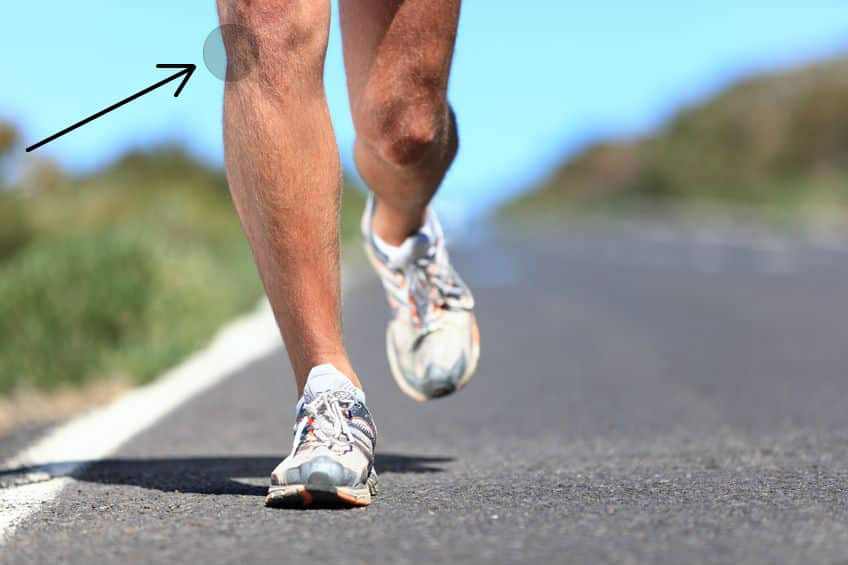
Is it okay to be running with arthritic knees?
For years, people have said:
“Don’t run—you’ll wreck your knees and get arthritis.”
But is that really true?
If you’re worried about the connection between running and arthritic knees, you’re not alone. As podiatrists, we hear it all the time from patients trying to stay fit while managing knee pain or joint degeneration.
The truth? New research is challenging those old warnings.
In this article, we’ll explore:
-
What knee osteoarthritis is
-
Whether running increases your risk of arthritis
-
How to run safely if you already have knee arthritis
-
What podiatrists can do to keep you active
The Myth: Is Running Bad for Your Knees?
You’ve probably heard it: “Running ruins your knees.”
But recent research—including a study published in The Journal of Sports Medicine—has flipped that idea on its head. The authors concluded:
“It is currently not sound advice to tell a runner with knee osteoarthritis who is managing their symptoms to cease running.”
That’s a huge shift. The idea that running automatically leads to knee osteoarthritis is increasingly unsupported by science.
What Is Knee Osteoarthritis?
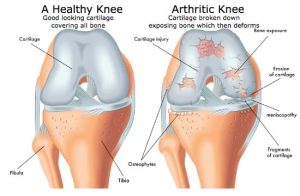
Knee osteoarthritis is a degenerative joint condition often referred to as “wear and tear” arthritis.
Here’s how it works:
-
Your bones are capped with cartilage, which cushions impact
-
Joints are lubricated by synovial fluid, much like oil in an engine
-
Over time—or due to injury—cartilage may break down faster than it can repair
-
This leads to joint pain, swelling, and eventually bone-on-bone contact
Once cartilage is damaged, it doesn’t heal well due to its poor blood supply—especially in the meniscus, the C-shaped cartilage in the knee.
Does Running Cause Knee Arthritis?
The research says: Not really.
In fact, many studies suggest that runners have a lower risk of developing osteoarthritis than non-runners.
Of course, a few factors do raise your risk, including:
-
A past knee injury
-
Carrying excess body weight
-
High-impact jobs (lifting, squatting, twisting)
-
Age-related wear and slower healing
But recreational running by itself? It doesn’t seem to be the villain we once thought.
Can You Run With Arthritic Knees?
Yes—but it depends on the severity, the type of arthritis, and your symptoms.
Safe Running Tips for People with Arthritic Knees:
-
Space out your runs to allow cartilage recovery
-
Stick to low-impact surfaces like grass, trails, or treadmills
-
Strengthen your quads and glutes to support your knees
-
Monitor for pain during and after your runs
-
Work closely with a podiatrist or physiotherapist
Even Harvard’s own experts have noted that running does not accelerate joint damage in people over 50 with mild to moderate knee arthritis—as long as it’s well-managed.
Running After Knee Surgery
This depends on the procedure. Here’s a quick breakdown:
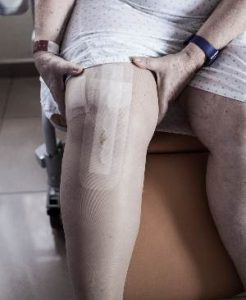
1. Arthroscope (“Clean-Up Surgery”)
✅ Often safe to return to running—especially in straight lines
❌ Side-to-side sports may pose more risk
2. Osteotomy (Bone Realignment)
⚠️ More invasive—requires surgeon clearance before returning to impact sports
✅ Great for younger patients wanting to delay joint replacement
3. Total Knee Replacement (TKR)
❌ Most people won’t return to running
✅ Walking, cycling, and swimming are preferred to keep joints moving
How Podiatrists Help with Arthritic Knees
At Dynamic Podiatry, we help people with arthritic knees keep moving—safely and pain-free.
Here’s what we can do:
-
Custom orthotics or shoe inserts to offload pressure from affected areas
-
Footwear assessments to make sure your shoes match your biomechanics
-
Exercise planning to strengthen key muscle groups like the quadriceps
-
Gait analysis to ensure your stride doesn’t aggravate your joints
Even small changes in your footwear or stride can make a big difference in how your knees feel while running.
Should You Start Running If You Have Arthritis?
Only after getting the green light from your healthcare team.
If you’re new to exercise or returning after an injury or surgery, get checked by:
-
Your GP (especially for heart or metabolic risk)
-
A podiatrist or physio to assess joint alignment and readiness
-
Consider starting with a beginner program like “Couch to 5K”
Final Thoughts: Don’t Rule Out Running Too Soon
The idea that running destroys your knees is outdated. In fact, running may improve blood flow, muscle support, and joint health—especially when done right.
If you’re dealing with running and arthritic knees, the key is to:
-
Personalize your approach
-
Respect your limits
-
Strengthen supportive muscles
-
Use the right gear
-
Get expert guidance
You don’t have to quit running. You just have to run smart.
Disclaimer: This article is for informational purposes only and does not replace medical advice. If you have knee pain or are managing arthritis, consult your podiatrist, physiotherapist, or GP before starting a new exercise program.